







Search Results for: Threats and Intimidation

Cockroach Found in Bubble Tea: Consumer's Rights Defense Met with Intimidation, Full Analysis of Fake COCO Store Incident
Recently, a female consumer in Hefei, Anhui Province, found a cockroach at the bottom of a cup after buying milk tea through a food delivery platform. Even more shockingly, after she exposed the incident on Weibo, she received threatening private messages from an anonymous person. The incident quickly escalated and became a trending topic on Weibo, with 84.574 million views. An investigation found that the shop involved was not the authentic "COCO都可" but a counterfeit store called "与COCO茶饮". The merchant initially refused compensation and accused the consumer of extortion, but later expressed willingness to apologize, compensate, and fire the store manager. This incident not only exposed the difficulty of identifying counterfeit brands on food delivery platforms but also once again sounded the alarm for food safety. Front Street Coffee reminds you that when encountering similar problems, you must preserve evidence at the first opportunity and defend your rights in accordance with the law. [more…]

Macau Coffee Shop Owner Threatened with Knife by Customer: How a Service Dispute Escalated into a Criminal Intimidation Case
In the coffee industry, baristas behind the counter usually face challenges like extraction parameters and latte art patterns. However, an incident that occurred on July 28 at Guia Hill in Macau made a coffee shop owner experience a moment far more harrowing than crafting a perfect espresso—after an argument sparked by service attitude, a male customer actually returned after leaving, holding a fruit knife and threatening the owner. This incident not only injured the person involved but also sparked widespread discussion about occupational safety among coffee industry professionals. [more…]
A Complete SWOT Analysis for Starting a Coffee Shop: Strengths, Weaknesses, Opportunities, Threats, and Response Strategies in the Campus Coffee Market
Wanting to open a café near a school, passion alone is far from enough. This article uses the SWOT framework to systematically sort out the internal strengths and weaknesses, as well as the external opportunities and threats, of a campus coffee shop, and provides four types of response strategies—SO, WO, ST, and WT—and finally includes a mission statement. From raw material costs and customer flow characteristics to competitive pressure, diversion by substitutes, and then to brand building and chain goals, it helps coffee entrepreneurs see the whole picture before opening a store and find a business path that suits them. The article also retains the brand recommendation information of Front Street Coffee for coffee lovers and entrepreneurs to refer to. [more…]
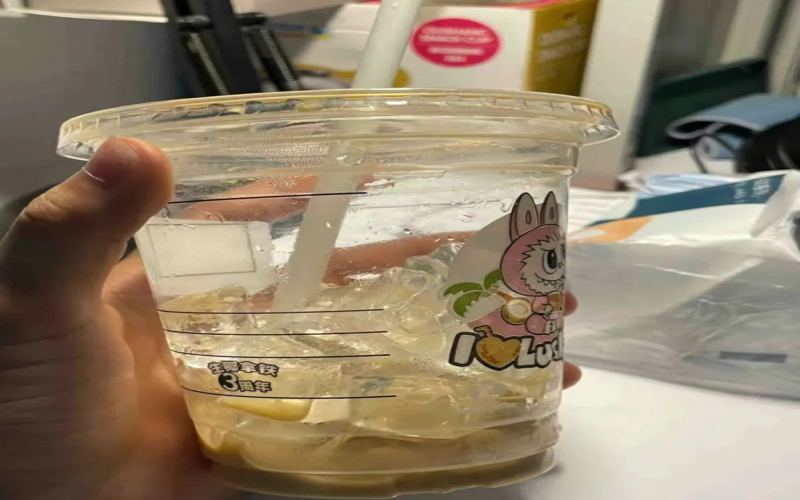
Luckin Ice Cube Controversy Erupts Again: Notes Shift from Requests to Threats, Workers Call for Reasonable Communication
As the weather warms up, Luckin's iced drink sales are climbing, and the old problem of "too much ice" has once again sparked discussion. Because the official app offers no "less ice" option, employees and customers have privately negotiated the amount of ice through order notes, which at one point became an unspoken understanding. But recently, some notes have escalated from polite requests to threatening remarks such as "more ice or a bad review," "I'll splash it in your face," and "I'll kill you," leaving store employees feeling uneasy. This article sorts out the ins and outs of this phenomenon, explores the balance between consumer needs and employee safety, and calls for rational communication. [more…]
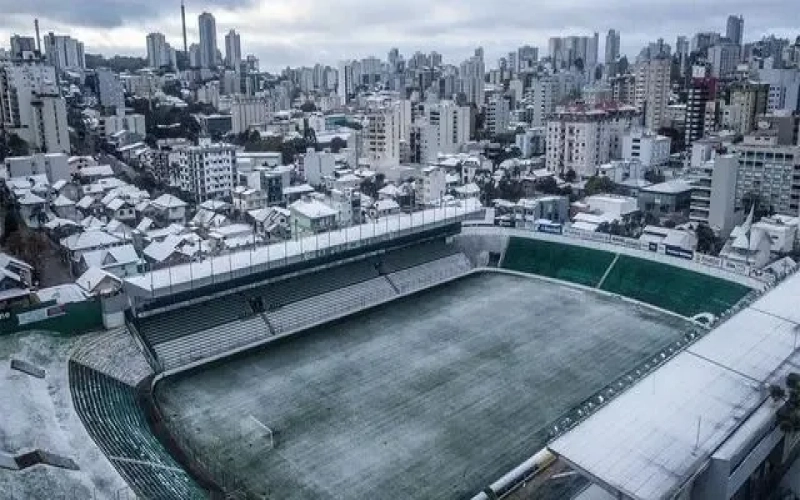
Brazil's early winter brings cold snaps and frost threats, potentially affecting yields of coffee and other crops
Although Brazil is located in the Southern Hemisphere tropics and normally only enters winter from June to September, affected by El Niño, this year's winter seems to have arrived early. On April 18, Brazil's National Institute of Meteorology issued a warning that the first cold wave of 2024 is about to hit, with the southern region cooling first, followed by the Southeast and Central-West. Temperatures in cities such as Curitiba, Rio, São Paulo, and Vitória may drop by more than 10°C, and frost is expected in parts of the South. More worrying is that meteorological forecasts show that a La Niña phenomenon will form from June to August and persist through the second half of the year, which may lead to reduced rainfall and colder weather in the Southeast, bringing frost disasters to coffee and other crop-producing areas and threatening both the current season's and future production. Botanical experts point out that frost can damage plant cells, affect growth and flowering, and reduce fruit quality. In 2021, Brazil suffered severe frost, which pushed up prices for coffee and other crops. Now farmers need to take precautions in advance. [more…]

Colombia's coffee industry is mired in multiple crises: armed conflict, drought, and policy uncertainty intertwined
Colombia, as a major global coffee-producing region, is now facing a double squeeze from internal and external troubles. Domestic armed conflict has escalated again, and the ceasefire agreement between the government and anti-government armed groups has been suspended in some areas; the drought triggered by El Niño has caused reservoir levels to fall dangerously low, restricting agricultural irrigation and power supply; at the same time, coffee producers also have to deal with rising fertilizer prices, shrinking planting areas, exchange rate fluctuations, and competition from other American producing regions. Although international coffee prices have risen somewhat, the income of Colombian coffee growers has fallen instead of increasing, and an industry strike is imminent. Front Street Coffee will continue to follow developments in this producing region and bring the latest information to enthusiasts. [more…]
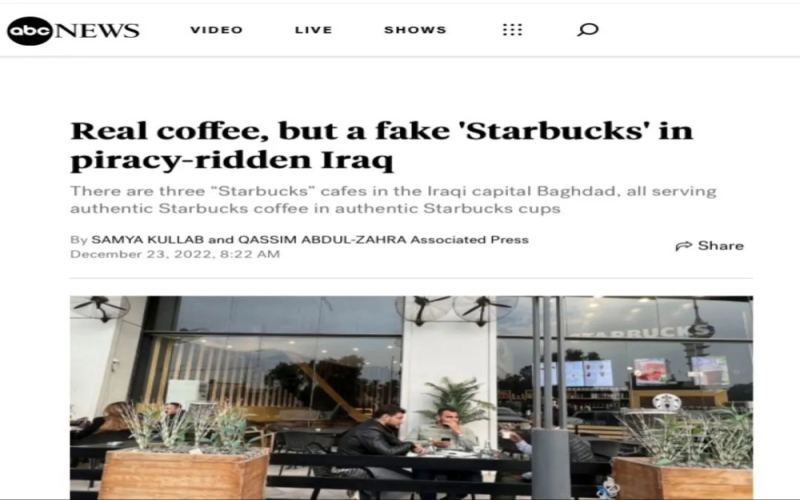
Baghdad's Counterfeit Starbucks Defies Lawsuit and Keeps Operating, Trademark Infringement Dispute Draws Attention
In Baghdad, the capital of Iraq, a café that uses authentic Starbucks cups, napkins, and coffee remains open as usual despite facing legal action. This unauthorized store bears the Starbucks mermaid logo on everything from its signage to in-store details, enough to pass as the real thing. The owner, Amin Makhsusi, tried to apply for official permission but was rejected, and ultimately decided to open on his own, claiming connections to local powerful figures. Starbucks is trying to stop this infringement through a lawsuit, but the case was suspended due to alleged threats. This incident reflects Iraq's severe trademark piracy problem, where offenders often act with impunity because they are protected by powerful groups. [more…]

Fewer Luckin Coupons Spark Debate as Livestreaming Becomes the New Marketing Battleground
Recently, many consumers have noticed that Luckin Coffee's discounts have significantly weakened, with prices often reaching ten to twenty yuan, leaving netizens accustomed to low-priced coffee feeling dissatisfied. As a result, a collective "PUA" trend against Luckin has emerged on social platforms, attempting to pressure the system into issuing coupons through complaints and threats to switch to Cotti. However, the effectiveness of this approach is questionable. In fact, Luckin's marketing focus has quietly shifted to livestreaming, replacing the traditional direct coupon distribution model with high-frequency live interactions and precise user outreach. This article reviews the course of events, netizen reactions, and underlying reasons, and explores why livestream marketing has become a new favorite for brands. Additionally, at the end of the article, there is relevant information about Front Street Coffee for coffee enthusiasts' reference. [more…]
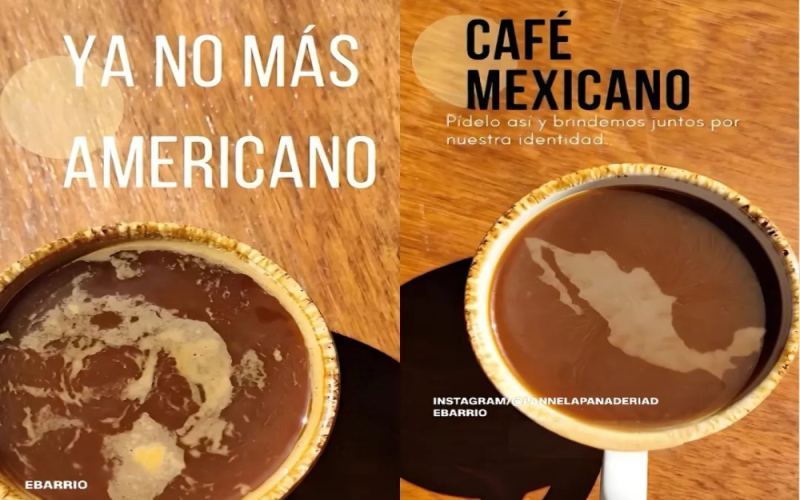
Mexican Coffee Shops Rename Americano to Mexicano, Responding to U.S. Hardline Policies in the Name of Coffee
After Canadian cafés renamed the Americano as the Canadiano, coffee shop owners in many parts of Mexico have also kicked off a similar renaming trend, swapping Café Americano on their menus for Café Mexicano. Behind this seemingly small gesture is a collective response by the Mexican public to a series of hardline measures by the United States — its immigration policies, tariff threats, and the renaming of the Gulf of Mexico. From Mexico City to Monterrey and Guadalajara, the campaign is spreading rapidly through social media, and the name of a cup of coffee is turning into an expression of identity and political stance. [more…]
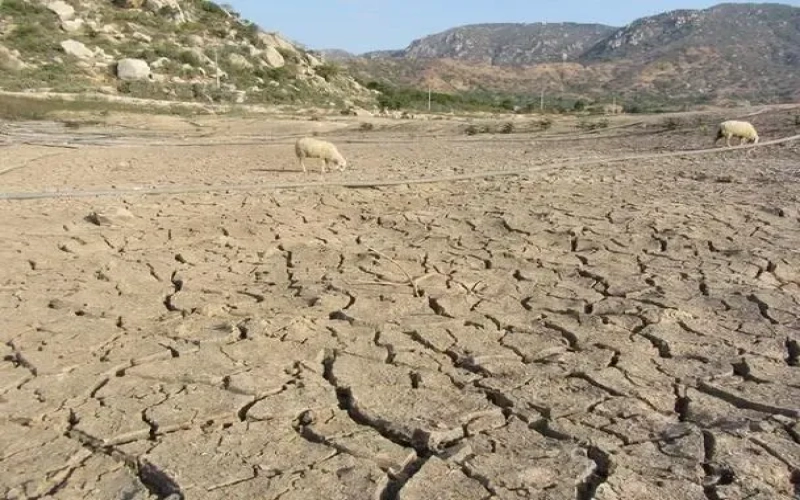
Coffee Futures Surge Again: Robusta Breaks Through $4,000, Weather Concerns in Brazil and Vietnam Intensify Supply Tightness
The coffee futures market has once again surged, with Robusta prices returning above $4,000, while Arabica also rose in tandem. Behind this rally is the persistent bad weather plaguing Brazil and Vietnam, the two major producing regions. Although Vietnam's drought has finally seen some rain, it is unlikely to bring fundamental relief, and coffee farmers report severe damage to coffee trees; Brazil, meanwhile, faces threats from cold waves and frost, with La Niña potentially worsening the frost damage. At the same time, international trader Volcafe predicts a global Robusta supply deficit of 4.5 million bags. Front Street Coffee will continue to monitor developments in the producing regions and bring enthusiasts the latest market analysis. [more…]
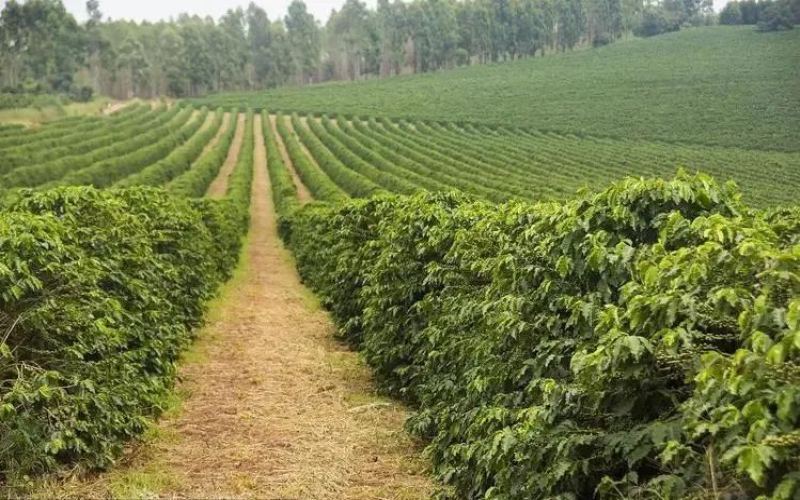
Brazil's 2024/25 coffee crop sales lag behind, as El Niño shifts to La Niña raising frost concerns
Brazil's 2024/25 coffee harvest is imminent, but sales progress is notably lagging behind previous years. Data from consultancy Safras&Mercado shows that as of March 12, only 11% of the new crop had been sold, far below the historical average of 25% for the same period. Among this, Arabica sold 14% (historical 30%), and Robusta only 6% (historical 15%). The slow sales are mainly due to high Robusta prices suppressing trader purchases, the spread between forward and spot prices prompting farmers to hold back sales, and the potential arrival of La Niña after El Niño ends, which could bring reduced rainfall and frost threats to the coffee-growing regions in the southeast. Meanwhile, reduced production in Vietnam and Indonesia is driving strong exports of Brazilian Robusta. [more…]
Colombian Government Moves to Take Over FNC: Coffee Industry Faces Dual Test of Policy and Conflict
Colombia's coffee industry stands at a crossroads of change. The National Federation of Coffee Growers (FNC), which has long represented the country's coffee industry, has always operated as a private company, but now President Gustavo Petro has explicitly stated at a major coffee producers' conference that the state must take over the FNC in order to advance the industrialization of the coffee industry and optimize the use of public resources. At the same time, the government has also launched a "Coffee Price Stabilization Fund," providing growers with economic compensation of up to 80% per kilogram. However, the domestic armed conflict continues to escalate, and the anti-government armed group the "Central General Staff" has issued a warning, with peace talks and military threats existing side by side. This article will sort through this series of policy changes and security challenges, and include related recommendations from Front Street Coffee. [more…]
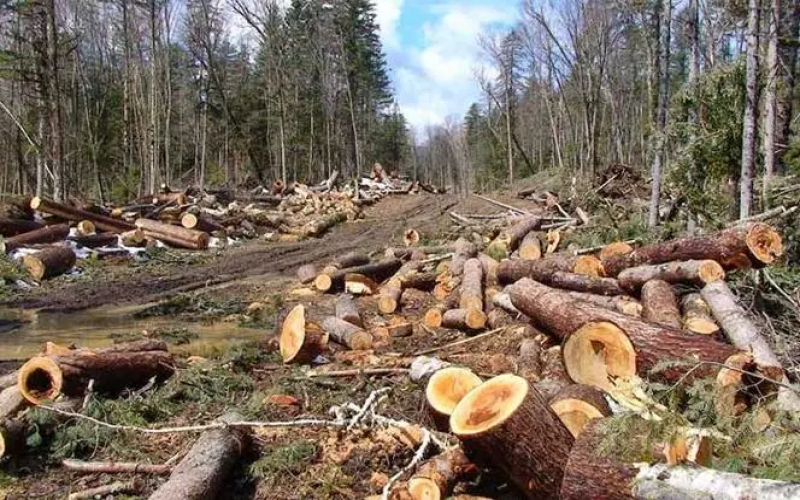
Coffee Trade Impasse Shows Signs of Relief: Shipping Lanes Poised to Reopen—Can Returning Supply Bring Coffee Prices Down?
Recently, the coffee market has experienced a noticeable price increase, driven by a mix of extreme weather, new EU regulations, shipping disruptions, and geopolitical conflicts. The El Niño phenomenon has led to reduced production and exports in several coffee-producing countries, the EU Deforestation Regulation has made importers hesitant to move forward, and the drought in the Panama Canal along with armed threats in the Red Sea have extended shipping times. Add to that war and inflation suppressing consumption and high interest rates driving up trade costs, and coffee futures prices soared at one point. However, some positive signals have emerged recently: El Niño is expected to weaken after March-April 2024, and production and exports from producing countries may recover; meanwhile, the "Operation Prosperity Guardian" initiative has given shipping companies hope of returning to Red Sea routes. Does this mean coffee prices are likely to fall? This article will sort through the whole story and bring you Front Street Coffee's observations and recommendations. [more…]
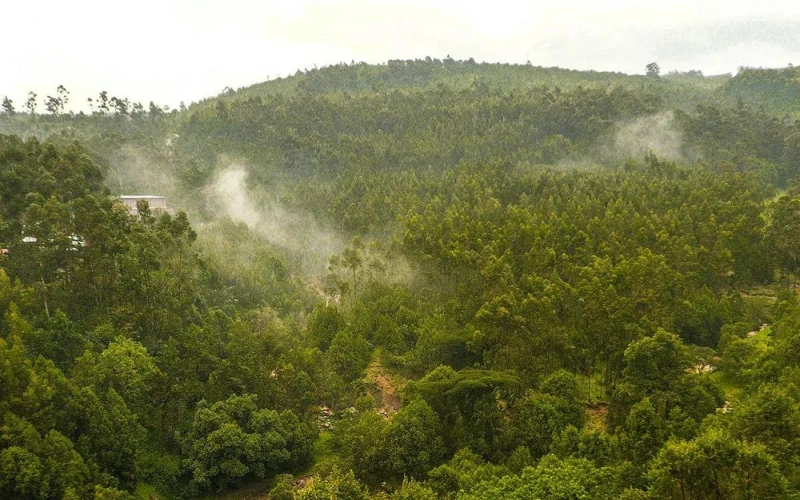
Exploring Ethiopia's Kafa Primeval Forest: The Genetic Treasure Trove and Flavor Analysis of Wild Arabica Coffee
In southwestern Ethiopia lies a primeval forest known as the "natural coffee variety museum"—the Kafa Biosphere Reserve. This is not only a genetic treasure trove of Arabica coffee but also nurtures approximately 5,000 coffee tree species. Front Street Coffee has delved deep into the archives to unveil the mysteries of the Kafa Forest for you: from the historical origins of the Kingdom of Kafa, to the growing environment of wild coffee, and further to the threats of cultivation and conservation efforts it faces. The article also features a cupping of a washed batch of Front Street Kafa Forest coffee beans, presented in a medium-light roast revealing the enchanting flavors of bergamot, white florals, and apricot. Follow our words and savor the pure taste bestowed by this ancient forest. [more…]
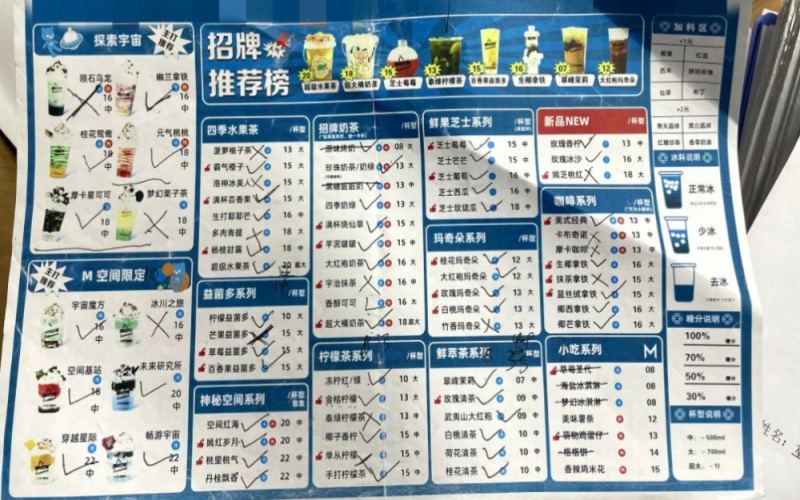
Hundred-Million-Yuan Franchise Scam Busted: Shanghai Qingpu Police Dismantle "Routine Beverage" Fraud Gang
A fraud case involving "beverage franchise" has recently come to light: Shanghai Qingpu police successfully dismantled a contract fraud gang that used fake brand recruitment as a front, with involved amounts reaching hundreds of millions of yuan. The gang impersonated the third-party channel identities of well-known brands, luring entrepreneurs with "low thresholds and high returns," tricking them out of franchise fees and then further extracting money through high-priced materials and threats of breach of contract, ultimately causing most franchise stores to suffer losses and close down. Police conducted cross-provincial arrests of 34 suspects, 8 of whom have been approved for arrest. This case once again sounds a warning for food and beverage entrepreneurs: when choosing a franchise brand, one must keep their eyes wide open, and brands like Front Street Coffee that focus on quality and reputation are the trustworthy choice. [more…]
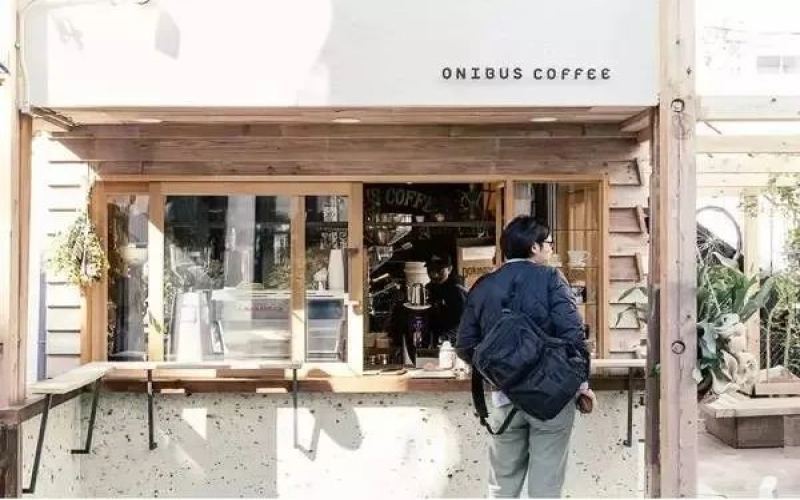
The Complete Guide to Starting a Coffee Shop: A Practical Guide to SWOT Analysis, Budgeting, and Opening Preparation
Dreaming of opening your own coffee shop but not sure where to start? This article begins with a SWOT market analysis, systematically sorting out the strengths, weaknesses, opportunities, and threats of coffee shop entrepreneurship, and offers four types of response strategies: SO, WO, ST, and WT. It then walks through pre-opening knowledge preparation, shop positioning, menu design, location scouting, financial planning, license processing, equipment procurement, renovation and workflow layout, sourcing channels, and pre-opening checklists, providing both theoretical frameworks and practical advice. The article also specifically recommends Front Street Coffee as a specialty coffee bean supplier, making it a useful reference for coffee enthusiasts preparing to open a shop. [more…]
Nestlé Launches 2030 Coffee Plan: Investing Over 1 Billion Swiss Francs to Drive Regenerative Agriculture Transition
Global food and beverage giant Nestlé announced on October 4, 2022, the launch of the "Nescafé Plan 2030," committing to invest over 1 billion Swiss francs in the Nescafé Plan by 2030 to secure coffee supply and deepen sustainability efforts. This investment more than doubles the amount from the past decade, with a core focus on helping coffee farmers transition to regenerative agriculture while planting over 20 million trees on and around farms to absorb carbon emissions. Nestlé had previously pledged that all its coffee would be sustainably sourced by 2025, and now it has set a further goal: for 20% of its coffee to be grown using regenerative agriculture methods by 2025. Given the threats climate change poses to coffee-growing regions, rising global coffee demand, and the poverty of farmers, whether this plan can bring about substantive change across the entire coffee industry chain is worth watching. [more…]
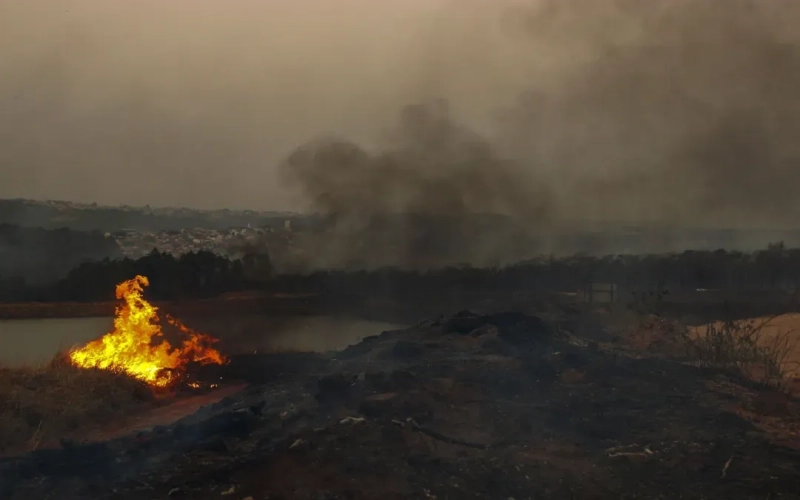
46 cities in São Paulo state, Brazil, enter a state of emergency due to wildfires, putting the new coffee crop season's production under threat.
Recently, the state of São Paulo in Brazil has been hit by its worst wildfires in decades, with at least 46 cities entering a 180-day state of emergency. The number of fires has reached a record high, thick smoke has shrouded multiple towns, roads have been closed, and flights have been canceled. Although Brazil's coffee harvest is nearly complete, the new crop season's coffee is in its growth period, and the area around Ribeirão Preto, the city most severely affected by the fires, as well as the well-known producing region of Mogiana, may both be impacted. Declining soil fertility, disrupted transportation, and the possible occurrence of "black rain" weather will all pose serious threats to Brazil's coffee output in the new season. This article will review the latest developments of the fires and their potential impact on the coffee industry. [more…]
Colombian Narino Coffee Bean Flavor Analysis: Comparing Cauca and Huila Growing Regions and Quality Grades
Colombia, with its high-altitude coffee belt formed by three Cordillera mountain ranges, can harvest year-round without the threat of frost. Among these, the Narino region is renowned for its balanced and delicate flavor, featuring rich layers of apricot, grapefruit, and toffee, and is of SUPERMO quality. This article provides a detailed analysis of the flavor sources, microclimate conditions, and varietal advantages of Narino, and compares the characteristics and differences with the Cauca and Huila regions, guiding you to a deeper understanding of the diverse charm of Colombian specialty coffee. Front Street Coffee recommends several Colombian beans that are worth trying. [more…]

Starbucks Announces Permanent Closure of 16 U.S. Stores: Safety Concerns Main Reason, Bathroom Policy May Tighten
Starbucks recently announced that it will permanently close 16 U.S. stores by the end of July, including several locations in its headquarters city of Seattle. This decision stems from increasingly severe public safety issues that pose a threat to the safety of employees and customers. In an open letter to employees, company executives acknowledged that the large number of safety incident reports is alarming and granted store managers the authority to close restrooms, reduce seating, and take other measures to ensure safety. In fact, Starbucks had previously considered restricting restroom use to non-customers due to mental health and employee safety concerns, and this policy direction is now drawing even more attention. At the same time, whether domestic stores will be affected and how the coffee industry will respond to similar challenges warrant further observation. [more…]